

Essential Design Factors Influencing Texas Metal Building Performance
Weather shapes every construction decision across Texas. Bright sun, seasonal storms, and changing temperatures create steady pressure. Smart planning begins before steel reaches the site. Every design choice affects future reliability. Owners seeking practical solutions often explore https://www.choicemetalbuildings.com/texas/ before selecting layouts matching local conditions. Careful preparation reduces later repairs and improves daily operation.
Why Does Local Engineering Influence Every Metal Building?
Regional conditions create different structural needs. Coastal locations face moisture more often. Open land receives stronger wind pressure. Engineers calculate these factors before final drawings begin. Their work balances strength with material efficiency. Better planning protects each connection without adding unnecessary weight. As a result, the finished structure performs with greater confidence throughout changing seasons.
Strong Construction Depends on Small Design Decisions
Large steel members attract immediate attention. Smaller details deserve equal respect. Fastener quality affects long-term stability. Roof angles influence water movement across every surface. Drainage routes prevent moisture from remaining near foundations. Property owners comparing https://www.choicemetalbuildings.com/texas/ often notice engineering choices matching different project requirements across Texas environments.
Important design points include:
- Strong anchors secure base connections.
- Roof slopes improve rain runoff.
- Protective coatings resist surface wear.
- Flexible joints handle seasonal movement.
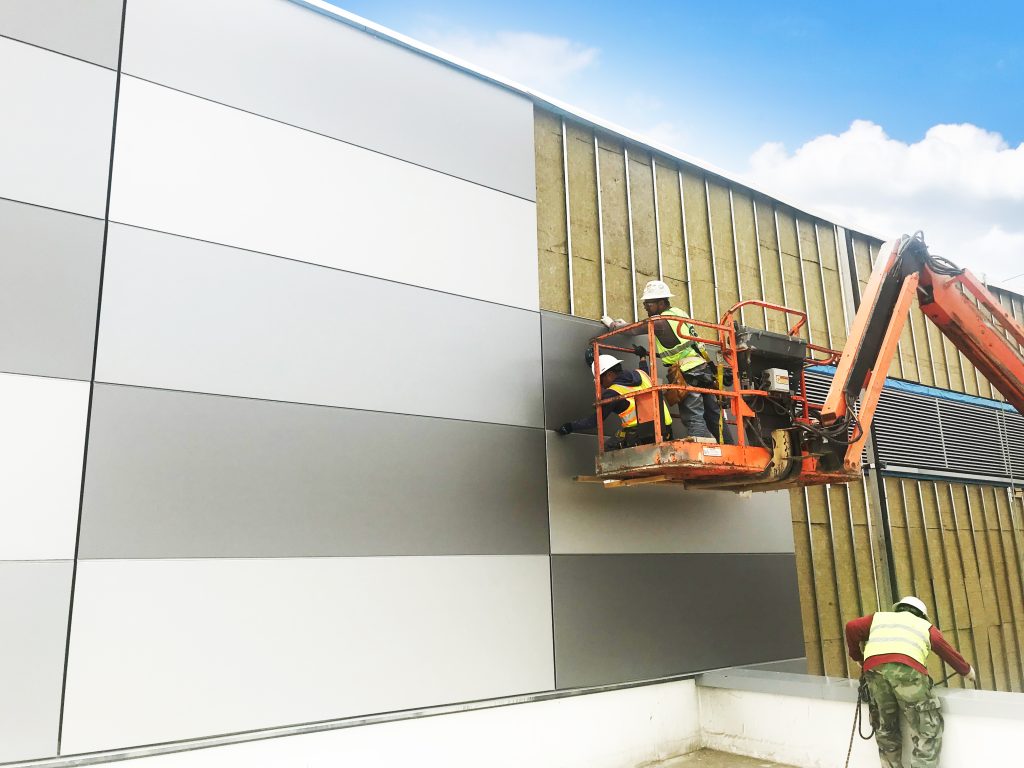
- Quality panels maintain tighter fitting.
Each feature contributes differently. Together, they create dependable structural performance.
Which Features Improve Daily Efficiency?
Energy costs influence every operating budget. Good insulation slows indoor heat transfer. Balanced ventilation removes trapped warm air. Natural daylight reduces electrical demand during working hours. A storage facility benefits from stable interior conditions. Farm buildings gain healthier environments for livestock. Commercial spaces remain more comfortable for employees throughout busy schedules.
Useful upgrades include:
- Reflective roofing lowers heat absorption.
- Ridge vents improve fresh airflow.
- Insulated walls increase indoor comfort.
- Wide openings simplify equipment access.
Future Expansion Starts With Better Planning
Business goals often change over time. Flexible layouts accommodate future adjustments without major rebuilding. Clear interior spans allow different equipment arrangements. Extra door locations simplify later expansion. Warehouse owners appreciate adaptable floor space because changing operations require fewer structural alterations. Early planning creates valuable flexibility across many practical situations.
Long-Term Performance Reflects Every Early Decision
Reliable buildings result from thoughtful preparation rather than thicker steel alone. Every connection shares structural responsibility. Drainage, ventilation, framing, and foundations work together across changing weather. Their combined effect determines lasting value. Buildings designed with balanced engineering remain dependable through years of everyday use. Careful choices made before construction continue delivering measurable benefits long after project completion.
FAQs
Which roof style works well across Texas?
Roof selection depends on rainfall, wind exposure, and building purpose.
Does insulation improve building performance?
Yes. Proper insulation reduces indoor heat while improving energy efficiency.
Can owners expand metal buildings later?
Flexible layouts allow future additions with fewer structural changes.