
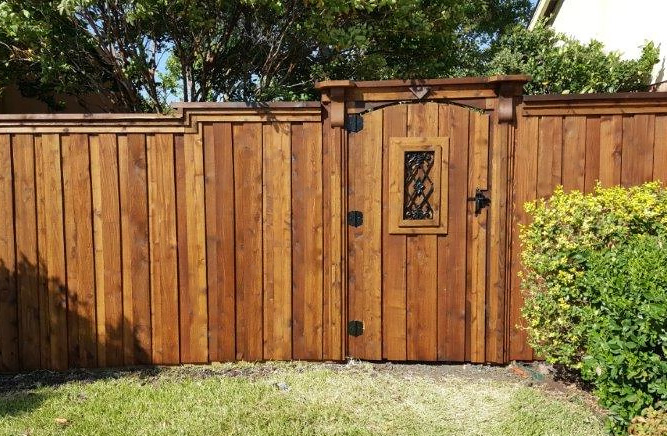
Boost Curb Appeal With Custom Fencing That Complements Your Home
A well-designed fence can change how a home looks from the street. Proportion, material, color, and gate details all influence that first impression. Buda fence and gate contractors can help coordinate these elements with existing exterior features. Custom fencing also supports privacy, defines boundaries, and frames entrances without overwhelming the house. Careful choices create visual balance while keeping daily use convenient. The right design should connect with the home’s roofline, siding, landscaping, and entry path. Small details can make the entire frontage feel more considered.
Match Fence Lines With Architecture
Fence height should relate to the home’s scale. A low profile suits open frontages with visible landscaping. Taller sections can frame larger structures without creating visual imbalance. Horizontal boards can echo modern exterior lines, while vertical designs complement traditional proportions. Consistent spacing also keeps the frontage visually calm.
Which Materials Strengthen Exterior Character?
Material choice affects texture, upkeep, and overall character. Wood offers warmth through natural grain and adaptable finishes. Metal creates crisp edges around contemporary architecture. Composite options provide consistent surfaces with fewer maintenance demands.

Useful selection points include:
- Match texture with existing exterior finishes.
- Choose colors that support surrounding tones.
- Consider maintenance before selecting materials.
- Check local conditions affecting material performance.
Coordinate Gates With Entry Features
A gate should feel connected to the main entrance. Matching colors can create a deliberate visual relationship. Repeated shapes can connect fence panels with porch details. For Buda fence and gate contractors, coordination also involves swing clearance, latch placement, and pedestrian movement.
A well-positioned gate can guide visitors naturally. It can also prevent awkward movement near driveways. Functional planning should remain visible through clean design choices.
Can Landscaping Complete The Fence Design?
Plants can soften strong fence lines without hiding architectural details. Low shrubs work well along shorter panels. Taller greenery can provide privacy near selected sections. Stone borders may connect fencing with existing pathways.
Consider these landscape relationships:
- Leave room for mature plant growth.
- Keep gates clear from dense planting.
- Repeat selected textures near fence posts.
- Frame entrances rather than blocking them.
- Maintain sightlines around important access areas.
Use Details That Create Visual Continuity
Small hardware choices can influence the finished appearance. Post caps, hinges, latches, and panel spacing deserve careful attention. Repeated shapes create connections across separate exterior features. A darker gate handle can also provide subtle contrast against lighter fencing.
Yet visual consistency should not mean identical details. Slight variation can prevent the frontage from looking overly planned. The strongest designs often balance repetition with restrained contrast.
A Front Gate Can Shape Arrival
The entry gate becomes a visual stopping point near the street. Its width, placement, and surrounding space affect arrival more than expected. A clear pedestrian route can make the entrance feel intentional. When fencing frames landscaping rather than competing with it, the home gains stronger street presence.
FAQs
What fence style can complement a home?
The best style depends on architectural lines, exterior materials, landscaping, and desired privacy levels.
Should the gate match the fence?
Matching materials create continuity, while contrasting hardware can add controlled visual interest.
Can fencing improve front-yard appearance?
Yes. Proportion, spacing, color, and placement can make the frontage feel more organized.
What should be considered before installation?
Property boundaries, access routes, gate movement, material upkeep, and surrounding landscape should receive attention.