Metal Garages Versus Wood Garages: Comparing Maintenance And Durability
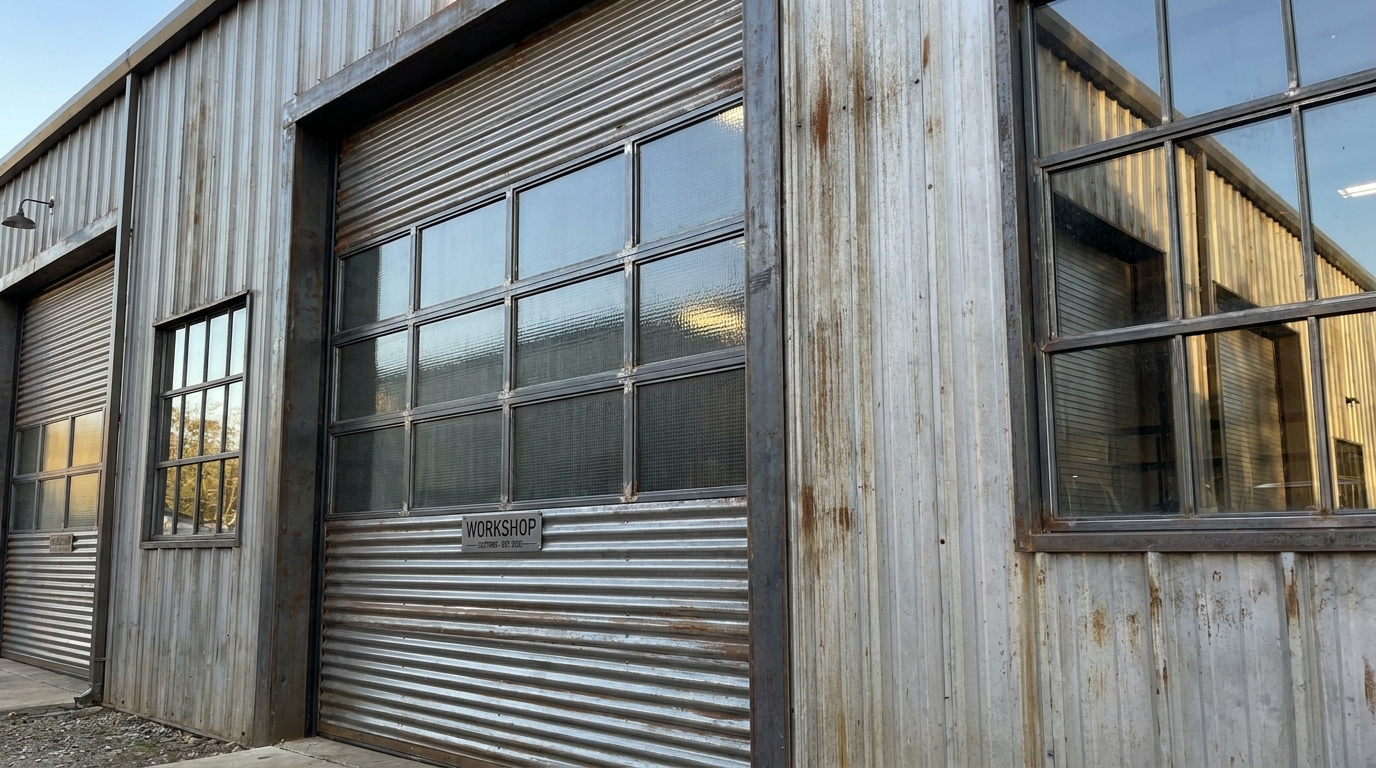
A garage’s real price shows up years after installation. Paint peels, termites tunnel, and siding warps without warning. Purchase quotes rarely reflect those future chores. Locally, miller’s metal building burleson supplies steel garages engineered for decades of service. Upkeep, pest exposure, storm resilience, and lifespan separate the two materials sharply. Each factor shapes what an owner spends long after construction ends.
Wood Demands A Recurring Maintenance Calendar
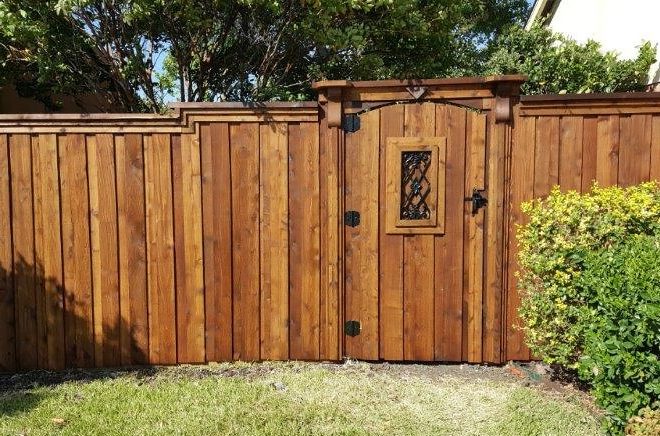
Timber siding needs fresh paint or stain every few years. Skip a cycle, and moisture seeps into exposed grain. From there, rot spreads behind trim boards. Caulk around windows dries out and cracks in summer heat. Sealing a 12×20 garage takes two full weekends. Each repair feels small, yet costs stack up across fifteen years.
What Does Steel Ownership Require Each Year?
Metal asks far less, though not nothing.
- Rinse panels with a garden hose twice yearly.
- Check screws for loose washers after storms.
- Touch up scratched paint before rust spreads.
- Clear gutters so runoff drains off the roof.
- Keep soil and mulch away from base rails.
Most owners finish this list in one afternoon.

Termites Ignore Galvanized Frames Entirely
Subterranean termites thrive in Texas clay soils. Wood framing gives them food, shelter, and hidden entry points. Steel offers none of that. Galvanized frames from miller’s metal building burleson stay intact despite colonies nearby. Owners skip annual pest contracts and chemical soil treatments. Timber owners, by comparison, budget for inspections every spring.
Which Material Handles Hail And Wind Better?
North Texas spring storms test every exterior surface. Hail splinters cedar shingles and dents thin metal sheeting. Gauge matters here: 26-gauge panels resist impact better than 29-gauge. For wind, anchored steel frames hold their geometry. Older wood framing racks as nails loosen, so doors sag. Replacing one dented panel takes an hour with basic tools.
Lifespan Numbers Favor Metal Over Timber
Expected service life tells a sharper story.
- Wood garages last 25–40 years.
- Metal buildings often exceed 40 years.
- Rust stays cosmetic when treated early.
- Rot weakens load-bearing studs from within.
Structural decay, not appearance, ends most wooden garages. A rotted sill plate can require jacking the entire wall.
Why Does A Hose Beat A Paintbrush?
A garden hose and twenty minutes keep galvanized panels presentable. Cedar siding, by contrast, needs scraping, priming, and two coats. Spread across fifteen years, that difference becomes entire weekends. Durability, then, measures more than material strength. It measures how many Saturdays an owner surrenders. A metal garage returns those hours, and the building stays square.
FAQs
Do metal garages get hot in Texas summers?
Uninsulated steel panels absorb heat and can trap it indoors. Spray foam or reflective insulation paired with ridge vents keeps temperatures manageable.
How often should a wood garage be repainted?
Painted wood siding needs a fresh coat every five to seven years, sooner under direct sun. Stained cedar may need resealing every two to three years.
Can rust compromise a metal garage’s structure?
Surface rust on galvanized framing stays cosmetic when treated early with a wire brush and primer. Structural concern arises only when moisture sits against base rails for years.
Which garage holds resale value better?
Metal garages appeal to buyers seeking low upkeep and documented gauge ratings. Wood garages can match a home’s architecture, which certain neighborhoods value.